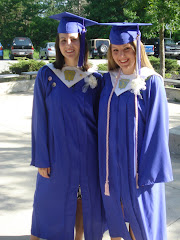
Woohoo! We've graduated! C-man, I didn't see you in that scary gauntlet.. we're you hiding? Yay! for project grad and toilet seat racing!
-Mo
PS. I don't know how to add a blogroll, but I will try...
Friday, June 13, 2008

the sixties, film post #5
During the sixties if a film was up for “Best Picture,” against a musical they were doomed. Musicals dominated the sixties beginning with West Side Story winning the award in 1961. “West Side story was soon followed by “My Fair Lady,” “The Sound of Music,” and “Oliver!” Most of the movies at the time strayed away from violence during this time and were directed more for family audiences, of which musicals are aimed towards. The sixties are known for its anti-war movement and civil rights. It was not a time for mourning, but a time of change and rejoicing, so therefore the Academy was likely to choose films that reflected this. Films like ‘The Guns of Navarone,” (1961) and “Doctor Zhivago,” (1965), which dealt greatly with war had no chance of winning Best Picture.
Although the Academy enjoyed musicals, most filmmakers of the time turned away from musicals. This occurred because of the emergence of Rock n Roll in the sixties, but the Academy still seemed to be head over heels for musicals, which also shows their distaste for Rock n Roll.
Musicals in the sixties introduced a few actresses, which will be forever known for their roles in musicals such as Audrey Hepburn and Julie Andrews. Julie Andrew’s movie “The Sound of Music,” was the most important film of the time, for it saved Fox 20th from bankruptcy after filming “Cleopatra.”
Musicals are certainly not as popular today, one has not won “Best Picture,” since “Chicago.” Probably because when the word “musical” is said one may want to gag. One may start to picture a corny love song (which seems to be a requirement in every musical), dancing in fields (Sound of Music) or singing Orphans (Annie, Oliver!). However there is one musical made during the sixties that breaks free from this, well it does have some corny love songs, and that is “West Side Story.”
“West Side Story,” directed by Robert Wise is a musical based on “Romeo and Juliet.” The musical is filmed in Manhattan’s Upper West Side and shows the rivalry between two teenage gangs of different cultural backgrounds. The musical is much darker than other musicals of the time, with its teenage angst, racial discrimination, Manhattan setting, and fights between gangs. The musical goes completely against the “corny,” label of which musicals always receive. While the two gangs fight they do it in a graceful manner, so as to seem like a ballet of a brawl. While the two gangs walk around the city, they are often dancing, but are still able to do this in a manly way. These men are supposed to be seen as gang members, not ballerinas and Robert Wise does an excellent job of portraying this. The opening scene “Cool,” shows the first brawl between the two gangs, holds the audience’s attention immediately. When watching “Cool,” they recognize “West Side Story,” is going to be like no other musical.
HAPPY GRADUATION DAY!!!!!
LC
Although the Academy enjoyed musicals, most filmmakers of the time turned away from musicals. This occurred because of the emergence of Rock n Roll in the sixties, but the Academy still seemed to be head over heels for musicals, which also shows their distaste for Rock n Roll.
Musicals in the sixties introduced a few actresses, which will be forever known for their roles in musicals such as Audrey Hepburn and Julie Andrews. Julie Andrew’s movie “The Sound of Music,” was the most important film of the time, for it saved Fox 20th from bankruptcy after filming “Cleopatra.”
Musicals are certainly not as popular today, one has not won “Best Picture,” since “Chicago.” Probably because when the word “musical” is said one may want to gag. One may start to picture a corny love song (which seems to be a requirement in every musical), dancing in fields (Sound of Music) or singing Orphans (Annie, Oliver!). However there is one musical made during the sixties that breaks free from this, well it does have some corny love songs, and that is “West Side Story.”
“West Side Story,” directed by Robert Wise is a musical based on “Romeo and Juliet.” The musical is filmed in Manhattan’s Upper West Side and shows the rivalry between two teenage gangs of different cultural backgrounds. The musical is much darker than other musicals of the time, with its teenage angst, racial discrimination, Manhattan setting, and fights between gangs. The musical goes completely against the “corny,” label of which musicals always receive. While the two gangs fight they do it in a graceful manner, so as to seem like a ballet of a brawl. While the two gangs walk around the city, they are often dancing, but are still able to do this in a manly way. These men are supposed to be seen as gang members, not ballerinas and Robert Wise does an excellent job of portraying this. The opening scene “Cool,” shows the first brawl between the two gangs, holds the audience’s attention immediately. When watching “Cool,” they recognize “West Side Story,” is going to be like no other musical.
HAPPY GRADUATION DAY!!!!!
LC
Thursday, June 12, 2008
I'm gunna start killing people!
Today, everyone in my family must have overdosed on hormone pills because they were out of control. Laughing, screaming, crying. It was insane. But really funny, especially when my mom and brother were fighting really loud in the middle of the street and my brother yelled, "FUCK! Now I have a bloody nose!" I was laughing from my observation window.
Also, my dad suggested we make origami out of flowers. He doesn't really make a lot of sense some times.
Tomorrow, LC and I graduate high school. I'm elated. The existence of college is a miracle.
-Mo
Also, my dad suggested we make origami out of flowers. He doesn't really make a lot of sense some times.
Tomorrow, LC and I graduate high school. I'm elated. The existence of college is a miracle.
-Mo
Wednesday, June 11, 2008
The film that beat Citizen Kane, film post #4
"How Green Was My Valley," directed by John Ford (1941)
I fell asleep twice within the first 20 minutes.
That says it all
I fell asleep twice within the first 20 minutes.
That says it all
film post #3, Citizen Kane
“Citizen Kane,” directed by Orson Welles (1941)
Synopsis: The film traces the life of Charles Foster Kane, which is rumored to really be a movie tracing William Randolph Hearts. The movie shows Kane’s career in the publishing world. Kane’s career stared as an idealistic social service, but it quickly turned him into a tyrant publisher, obsessed with power. Kane’s life is shown through flashbacks during newspaper reporter’s interviews with Kane’s friends and family, in pursuit to discover what Kane’s last words “Rosebud,” meant.
Academy Awards Controversy: “Citizen Kane,” did not win Best picture, for once Hearst found out about the film he was not only outraged that the film was about him, but more so angered by the portrayal of mistress Marion Davies, whom is Susan Alexander in the film. Because of the enraged Hearts “Citizen Kane,” did not receive a golden man, but just loud Boos from the audience.
I am in love with this film for two reasons
1) Flashbacks: I love films that tell their plotline in a unique way. “Citizen Kane,” doesn’t just have a normal plotline. It begins with newsreel of Charles Foster Kane, and the audience clueless of who this man is, then newsreel is stopped and the producer of the newsreel sends a newspaper reporter to discover what Kane’s last word “rosebud,” meant. The reporter then sets out to interview Kane’s friends and family, Kane’s story is told through their interviews. The film is not just a biography of Charles Kane, but also the reporter’s quest to discover the meaning of “rosebud.”
2) Film technique: I am not necessarily in love with “Citizen Kane,” for the story, but more so the movie-making techniques Welles’ uses. The movie is often shot through deep focus, this means that the foreground, background, and anything else are all in sharp focus. This deep focus shot is most easily scene during the flashback of Kane’s childhood (I showed it in class, and a total of three people watched it). The flashback shows Kane outside playing in the snow while his mother is inside basically selling him off. Everything is clearly in focus, including Kane outside through the window, and a top hat on the table. This is one the most famous scenes in film history. These deep focus shots were done by cinematographer, Gregg Toland. Toland was determined to have everything in deep focus and so when this was impossible he used an optical printer, which visually layered one piece of film onto another to make the whole screen to appear in focus. The optical printer was used during the scene when Kane finished a bad review of his mistress’s (Susan Alexander) opera, while at the same time firing the person who wrote the review.
Deep focus shots were also a result of in-camera effects. This technique is shown when Susan Alexander tries to commit suicide and Kane breaks into her room. While Kane breaks into the room the medicine bottle and spoon are in close-up in the foreground. The foreground was shot first with the background in the dark, and then this was reversed so the background was lit.
Welles and Toland often played around with lighting during the film. They often shaded characters faces when they were ashamed, or something bad was to occur. This is shown when Kane’s wife discovers he is having an affair and her face remains in shadow. Another incident is when Kane talks about having an “honest paper,” his face is shadowed indicating that this idea will end badly. Welles also keeps the newspaper reporter’s face shadowed the entire time, indicating that Welles want him to remain anonymous, for he is not relevant in Kane’s life.
If any of you intend on watching any of the films I write about I recommend you see “Citizen Kane,” if you have not already done so.
Synopsis: The film traces the life of Charles Foster Kane, which is rumored to really be a movie tracing William Randolph Hearts. The movie shows Kane’s career in the publishing world. Kane’s career stared as an idealistic social service, but it quickly turned him into a tyrant publisher, obsessed with power. Kane’s life is shown through flashbacks during newspaper reporter’s interviews with Kane’s friends and family, in pursuit to discover what Kane’s last words “Rosebud,” meant.
Academy Awards Controversy: “Citizen Kane,” did not win Best picture, for once Hearst found out about the film he was not only outraged that the film was about him, but more so angered by the portrayal of mistress Marion Davies, whom is Susan Alexander in the film. Because of the enraged Hearts “Citizen Kane,” did not receive a golden man, but just loud Boos from the audience.
I am in love with this film for two reasons
1) Flashbacks: I love films that tell their plotline in a unique way. “Citizen Kane,” doesn’t just have a normal plotline. It begins with newsreel of Charles Foster Kane, and the audience clueless of who this man is, then newsreel is stopped and the producer of the newsreel sends a newspaper reporter to discover what Kane’s last word “rosebud,” meant. The reporter then sets out to interview Kane’s friends and family, Kane’s story is told through their interviews. The film is not just a biography of Charles Kane, but also the reporter’s quest to discover the meaning of “rosebud.”
2) Film technique: I am not necessarily in love with “Citizen Kane,” for the story, but more so the movie-making techniques Welles’ uses. The movie is often shot through deep focus, this means that the foreground, background, and anything else are all in sharp focus. This deep focus shot is most easily scene during the flashback of Kane’s childhood (I showed it in class, and a total of three people watched it). The flashback shows Kane outside playing in the snow while his mother is inside basically selling him off. Everything is clearly in focus, including Kane outside through the window, and a top hat on the table. This is one the most famous scenes in film history. These deep focus shots were done by cinematographer, Gregg Toland. Toland was determined to have everything in deep focus and so when this was impossible he used an optical printer, which visually layered one piece of film onto another to make the whole screen to appear in focus. The optical printer was used during the scene when Kane finished a bad review of his mistress’s (Susan Alexander) opera, while at the same time firing the person who wrote the review.
Deep focus shots were also a result of in-camera effects. This technique is shown when Susan Alexander tries to commit suicide and Kane breaks into her room. While Kane breaks into the room the medicine bottle and spoon are in close-up in the foreground. The foreground was shot first with the background in the dark, and then this was reversed so the background was lit.
Welles and Toland often played around with lighting during the film. They often shaded characters faces when they were ashamed, or something bad was to occur. This is shown when Kane’s wife discovers he is having an affair and her face remains in shadow. Another incident is when Kane talks about having an “honest paper,” his face is shadowed indicating that this idea will end badly. Welles also keeps the newspaper reporter’s face shadowed the entire time, indicating that Welles want him to remain anonymous, for he is not relevant in Kane’s life.
If any of you intend on watching any of the films I write about I recommend you see “Citizen Kane,” if you have not already done so.
Tuesday, June 10, 2008
Hey Guys!
I'm at UMass and it's super fun! But it's really, really hot. I only brought jeans so I'm dying. I got my MacBook yesterday, but I can't use it here because the rooms don't lock and my mom is really afraid it's going to get stolen.
I just signed up for classes! I'm taking French, Linguistics, Writing, Astronomy, and Psychology. I'm really excited. It sucks though because you can only take art classes if you're an art major.
I don't have to go to lunch until 11:45 and I finished signing up for classes really early so I don't have anything to do. I could go to my room and pack, but there is no air conditioning there.
Yay for college!
-Mo
I just signed up for classes! I'm taking French, Linguistics, Writing, Astronomy, and Psychology. I'm really excited. It sucks though because you can only take art classes if you're an art major.
I don't have to go to lunch until 11:45 and I finished signing up for classes really early so I don't have anything to do. I could go to my room and pack, but there is no air conditioning there.
Yay for college!
-Mo
Monday, June 9, 2008
"After all war is war," Ayer Film Post #2
All Quiet in the Western Front (1930), directed by Lewis Mileston
Synopsis: The film follows a group of young soldiers, whom have just been told by their schoolmaster to forget everything they thought they were going to be, for they are now going to fight for their country in World War I. The film is shown through a vey anti-war point of view, and for this the film was banned from the country mobilizing war. The film shows the horrific, but realistic events of the war (of which some people were not quite ready to see).
My thoughts: While watching the movie I immediately thought to the poem “Dulce et Decorum Est,” by Wilford Owen. The film incorporated all of the horrors that war brings into this one film.
- There was the haunting speech by the schoolmaster, telling his pupils to give up their lives for war.
- The horror of killing another man for the first time.
-The overcrowded hospitals, of which soldiers end up being ignored and their possessions are stolen, for they are seen as already dead.
-Losing a best friend in the war.
I was quite shocked as to how much I enjoyed it. Crankyman recommended it me and I just though “Great… a war film made in the 1930’s, how boring,” but it in all honesty it is now my all time favorite war film. I found the battle scenes intruding, for the audience just sees the battle in neat aerial shot and that is all, which makes these battles seem more believable than those in films like “Saving Private Ryan,” were there is just too many distractions; between conversations, explosions everywhere, multiple different characters dying, but Mileston just shoots a battle, without these distractions.
I also decide how much I like a film based on how much of it I remember a few weeks later, and I remember multiple remarkable scenes. My favorites include:
-The speech by the schoolmaster telling his students to enlist
-When the soldiers face the first death in their group. It is a gruesome scene of a soldier being blinded, and soldiers realizing for the first time not all of them are going to live.
-When the main character Paul Ayer is trapped in shell crater with a soldier he killed. He has a one-sided conversation with the dead body and he says “If we threw away these uniforms we would be brothers.”
-Haunting scenes in the hospital when soldiers are taken to the “Dying Room.” (Hospitals are certainly not portrayed as a safe place in the film; they seem to be just as dangerous as the war outside).
-When Paul arrives home and visits his old schoolmaster. The schoolmaster wants Paul to tell his new class about how great war is, but Paul is unable to do it
-Paul goes back to war and meets up with his friend Kat. Kat hurts his leg, so Paul carries him on his back. However Kat gets shot in the neck, but Paul does not realize this and Paul continues to carry him and talk to him. (I have never cried during a movie, but this scene was the closest I have gotten to shedding a tear during a movie).
-The last scene of the movie when Paul reaches for a butterfly, but is shot when doing so. Since butterflies are a creature that sometimes symbolize freedom, this scene shows that Paul was never able gain freedom from the war. This scene is one the most famous endings in the history of film.
NOTE: I will start talking about trends once I write about films in the sixites
Synopsis: The film follows a group of young soldiers, whom have just been told by their schoolmaster to forget everything they thought they were going to be, for they are now going to fight for their country in World War I. The film is shown through a vey anti-war point of view, and for this the film was banned from the country mobilizing war. The film shows the horrific, but realistic events of the war (of which some people were not quite ready to see).
My thoughts: While watching the movie I immediately thought to the poem “Dulce et Decorum Est,” by Wilford Owen. The film incorporated all of the horrors that war brings into this one film.
- There was the haunting speech by the schoolmaster, telling his pupils to give up their lives for war.
- The horror of killing another man for the first time.
-The overcrowded hospitals, of which soldiers end up being ignored and their possessions are stolen, for they are seen as already dead.
-Losing a best friend in the war.
I was quite shocked as to how much I enjoyed it. Crankyman recommended it me and I just though “Great… a war film made in the 1930’s, how boring,” but it in all honesty it is now my all time favorite war film. I found the battle scenes intruding, for the audience just sees the battle in neat aerial shot and that is all, which makes these battles seem more believable than those in films like “Saving Private Ryan,” were there is just too many distractions; between conversations, explosions everywhere, multiple different characters dying, but Mileston just shoots a battle, without these distractions.
I also decide how much I like a film based on how much of it I remember a few weeks later, and I remember multiple remarkable scenes. My favorites include:
-The speech by the schoolmaster telling his students to enlist
-When the soldiers face the first death in their group. It is a gruesome scene of a soldier being blinded, and soldiers realizing for the first time not all of them are going to live.
-When the main character Paul Ayer is trapped in shell crater with a soldier he killed. He has a one-sided conversation with the dead body and he says “If we threw away these uniforms we would be brothers.”
-Haunting scenes in the hospital when soldiers are taken to the “Dying Room.” (Hospitals are certainly not portrayed as a safe place in the film; they seem to be just as dangerous as the war outside).
-When Paul arrives home and visits his old schoolmaster. The schoolmaster wants Paul to tell his new class about how great war is, but Paul is unable to do it
-Paul goes back to war and meets up with his friend Kat. Kat hurts his leg, so Paul carries him on his back. However Kat gets shot in the neck, but Paul does not realize this and Paul continues to carry him and talk to him. (I have never cried during a movie, but this scene was the closest I have gotten to shedding a tear during a movie).
-The last scene of the movie when Paul reaches for a butterfly, but is shot when doing so. Since butterflies are a creature that sometimes symbolize freedom, this scene shows that Paul was never able gain freedom from the war. This scene is one the most famous endings in the history of film.
NOTE: I will start talking about trends once I write about films in the sixites
Subscribe to:
Posts (Atom)